A message from Somaia Ramish, Writing the Future
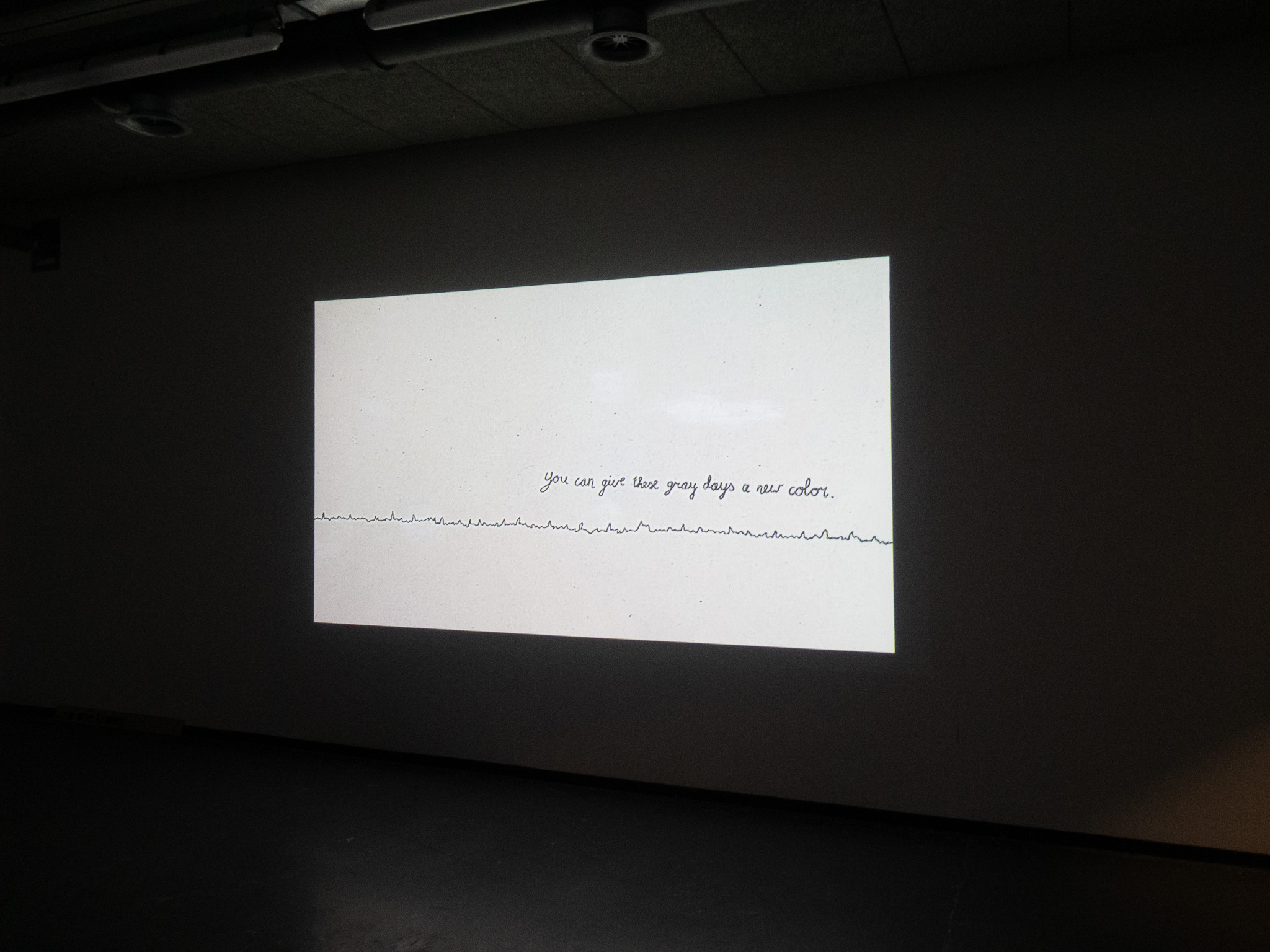
Image from ‘Mirrors Windows exhibition, a collaborative video work by Rietveld student Zwaan Schouten and an Afghan writer working under the pen name ‘Nashenas’.
After the fall of Afghanistan to the Taliban and the deprivation of Afghan girls and women of their most fundamental human rights, including the closure of schools and universities; one of the very few remaining sources of hope was access to online education.
For at least the past four years, I have been in close contact with many girls inside Afghanistan. For them, finding online educational opportunities became the only possible hope during the darkest days of Taliban rule. I witnessed how they consciously accepted risk in order to learn and to remain aware. I saw how, with the most limited resources, they studied with determination and resilience, transforming the corners of their homes spaces that had become Taliban-imposed prisons into sanctuaries of dreams, resistance, and imagination.
Yet the obstacle was not only the Taliban. After 2024, many online educational and human rights initiatives were not renewed. Numerous online universities lost the funding needed to continue. In the midst of already severe restrictions, this became an even more devastating blow for Afghan girls. With the closure of online schools and universities, many fell into depression and profound disillusionment with the world, and with the double standards of global human rights discourse. Witnessing this despair was deeply painful for me as well. Still, I have always held onto the belief that even if I cannot change the world, I might be able to change the world of one person to become a small point of light or hope in the life of at least one, or a few, girls.
In various programs and public conversations, I have spoken extensively about the situation of Afghan girls and women. One question was repeatedly asked: “What can we do for the girls in Afghanistan?” This question often came from people who genuinely wanted to act to contribute in whatever way they could.
Following an online TRQSE meeting that Bette Adriaanse organized, we discussed about the situation of women in Afghanistan and our discussion resulted in the feeling: we have do something! We decided to launch an online creative writing program for girls in Afghanistan, titled “Writing the Future.” We had no financial sponsor and faced numerous challenges, including concerns around safety and secure communication with participants inside Afghanistan. Nevertheless, we were determined to move forward.
We successfully completed our first three-month creative writing course an experience both profound and luminous. Every moment of it calls for its own narrative: a testimony to the courage, awareness, and perseverance of Afghan girls. At times, Bette and I held back tears together; at other moments, we felt immense pride. Often, a deep sense of connection with our students in Afghanistan moved us at the core.
We then sought to share this powerful experience of creativity, storytelling, and expression with a wider audience. The Gerrit Rietveld Academy in Amsterdam chose to support our initiative. We launched a workshop that faciliated an art dialogue between the art students and the writers in Afghanistan. The exhibition “Mirrors and Windows” was the result of this collaborative effort between Rietveld students and girls from Afghanistan - a work shaped by love, dedication, and solidarity. We opened a window for seeing, and placed a mirror in front of human suffering. In doing so, we came to understand that pain, hope, joy, and dreams are forces of connection. The exhibition was not merely art. It was an attempt to see, to understand, and to connect worlds that may be geographically and politically distant, yet are stitched together through art. Everyone involved in this project shared a common belief: that each person, in their own capacity, can bring about change in the world. Here, color, voice, word, line, story, poetry, and song rise together in rebellion against silence and erasure; against discrimination; and against the normalization of injustice and violence in different corners of the world.
I am deeply grateful to witness the emergence of something so meaningful. I extend my heartfelt thanks to all those who made it possible for us to amplify even a fragment of the dreams, narratives, and aspirations of Afghan girls. I also hope that others will choose to support this initiative, so that it may continue and grow on a broader scale.If each person truly asks themselves what they can do, and takes even the smallest share in creating change, it is far better than silence better than surrendering to oppression and injustice, and better than yielding to double standards in the realm of human rights!
Somaia Ramish

مهلت ارسال درخواستها تا ساعت ۱۱ شب به وقت افغانستان در روز دوشنبه، ۱۲ می به پایان میرسد.
<Writing the future» یک دوره آنلاین نویسندگی خلاق است که با هدف توانمندسازی زنان جوان در افغانستان
برگزار میشود. در این دوره، زنانی میتوانند شرکت کنند که به نویسندگی علاقهمند هستند یا در این زمینه تجربه
دارند و در حال حاضر در افغانستان زندگی میکنند. شرکتکنندگان باید دارای مدرک تحصیلی لیسانس (یا معادل آن)
بوده و در رده ی سنی ۱۸ تا ۳۰ سال قرار داشته باشند.
نخستین دوره این برنامه در میانهٔ سال ۲۰۲۵ آغاز خواهد شد و پذیرای ۲۰ دانشجو خواهد بود. اولویت با متقاضیانی
است که در داخل افغانستان اقامت دارند، در صورت باقی ماندن ظرفیت، دانشجویان افغان ساکن ایران و پاکستان نیز
پذیرفته خواهند شد.
این دورهٔ سهماهه بهصورت مجازی و توسط دو نویسندهٔ حرفهای، سمیه رامش و بِت آدریانسه، به دو زبان فارسی و
انگلیسی تدریس میشود. کلاسها هر هفته و بهمدت دو ساعت برگزار خواهند شد. هشت هفتهٔ نخست، بر پرورش
آثار جدید در حوزهٔ شعر و نثر تمرکز دارد و دانشجویان با نمونههایی از شعر و داستان از سراسر جهان آشنا
میشوند. چهار هفتهٔ پایانی به هدایت دانشجویان در مسیر خلق یک اثر نهایی در زمینهٔ نویسندگی خلاق اختصاص
مییابد.
دانشجویان موظفاند در تمرینها و تکالیف کلاسی شرکت کرده، مهارتهای نوشتاری خود را تقویت کرده و آثار
تازهای خلق کنند. به افرادی که دوره را با موفقیت به پایان برسانند، گواهینامهٔ پایان دوره اعطا خواهد شد. این دوره با
هدف فراهمکردن امکان انتشار، ترجمه یا نمایش آثار هنرجویان (چه با نام واقعی و چه با نام مستعار) طراحی شده
است.
فرم را از اینجا به صورت فایل PDF دانلود کنید.
تمامی مشارکتها در این دوره بهصورت ناشناس و بدون ضبط صورت خواهد گرفت.
اگر سوالی دارید، به writingthefuture@trqse.com ایمیل
فرم را از اینجا به صورت فایل Word دانلود کنید.

Applications close at 11 PM Afghanistan time
on Monday May 12th!
Writing the Future, A Creative Course for Young Women in Afghanistan is an online creative writing course aimed at young women in Afghanistan with a bachelor (or equivalent) education level, ages 18 to 30. The first cohort, launching in mid-2025, will welcome 20 students. Priority will be given to applicants residing in Afghanistan, with any remaining spots offered to Afghan students living in Iran and Pakistan.
The three month virtual course is taught by professional authors Somaia Ramish and Bette Adriaanse, in both Farsi and English. Classes are every week and last for two hours. The first eight weeks concentrate on the development of new poetry and prose, and introduces the students to poetry and fictions from around the world. In the final four weeks students are guided towards the creation of a finished piece of creative writing.
Students are expected to participate in assignments and exercises to experiment with their writing and create new work. A certificate is awarded to those who complete the course successfully. The course aims to create the opportunity for the students' work to be published, translated, or exhibited—either under their real name or a pseudonym.
All participation will be anonymous and unrecorded.
If you have any questions, please email: writingthefuture@trqse.com.
CLICK HERE TO DOWNLOAD THE APPLICATION FORM
CLICK HERE TO DOWNLOAD THE FORM AS WORD DOC.


